
Laser Systems
 Laser Systems
OTES Laser Systems covers the industrial laser marking machines used to apply permanent identification to metal parts, plastics and printed circuit boards inside a production line. The category brings together fiber laser and UV laser sources and the marking methods built around them: laser engraving on metal, surface annealing, and datamatrix marking for component traceability. Three configurations sit in the range. The RX3 is a large rotary table marking workstation, suited to automated batch production because the operator loads one side of the table while the laser marks the other. The CX2 PCB Mark is an inline PCB marking machine with a short cycle time that marks both sides of the PCB and can apply a 2x2 mm datamatrix code for Industry 4.0 traceability. The LM Series Laser Label Marking Station is built by OTES itself, in the LM0504 and LM0604 models.
Laser marking replaces adhesive labels, ink jet printing and stamping wherever the mark has to survive the rest of the process. A printed label lifts after washing, degreasing or heat treatment, while a laser mark stays readable. That matters when the part number or the datamatrix code is the only link between a finished assembly and its production record. In electronic production the requirement is more specific: every board needs a unique identity before it enters the SMT process, so that test results, component lots and rework history can be traced back to a single PCB. Inline PCB marking meets that requirement without opening a separate manual station. In batch production of machined parts, connectors, hand tools and medical components, rotary table marking keeps the laser cycle running while loading and unloading happen in parallel, so marking does not become the constraint in the cell.
OTES has worked in industrial electronics and automation since 1997 from its headquarters in Ümraniye, Istanbul, as a distributor and system integrator rather than a manufacturer of the brands it represents. The exception is the LM Series, which OTES designs and builds in house with a touch HMI, a CE marked laser safety enclosure and integration into the Bosch Rexroth BuP2 line. For every laser system in this category OTES also handles the work around the machine: interface and layout planning against the existing conveyor or line controller, installation, commissioning on the customer site, marking parameter setup for the specific material, operator and maintenance training, and technical service across Türkiye. The category is aimed at production engineers who need a repeatable mark within a defined cycle time, and at plant managers who have to show traceability data to their own customers and auditors.
Products
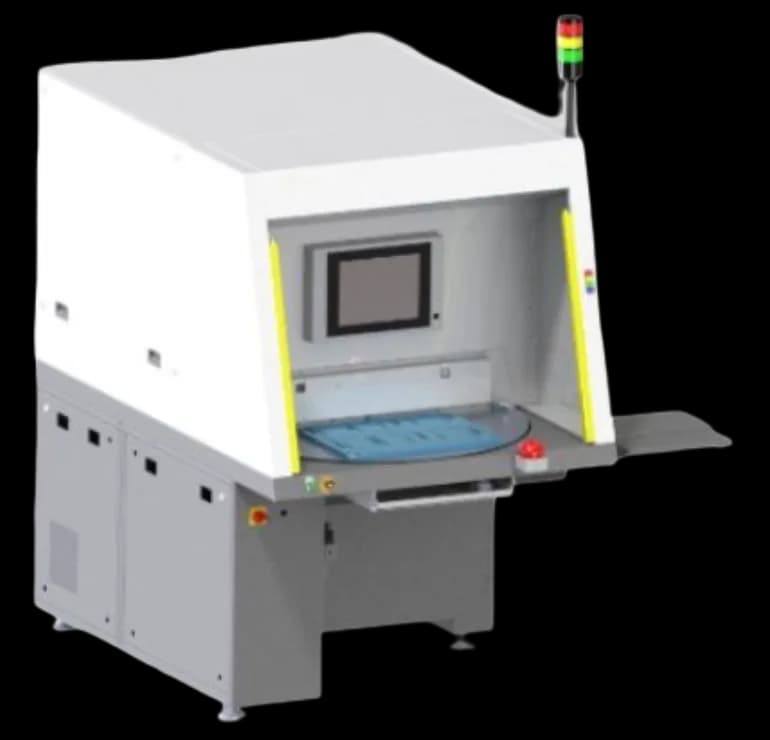
RX3
RX3 has the largest rotary table of the OTES marking workstations, which suits automated batch production where parts are loaded and marked in cycles.
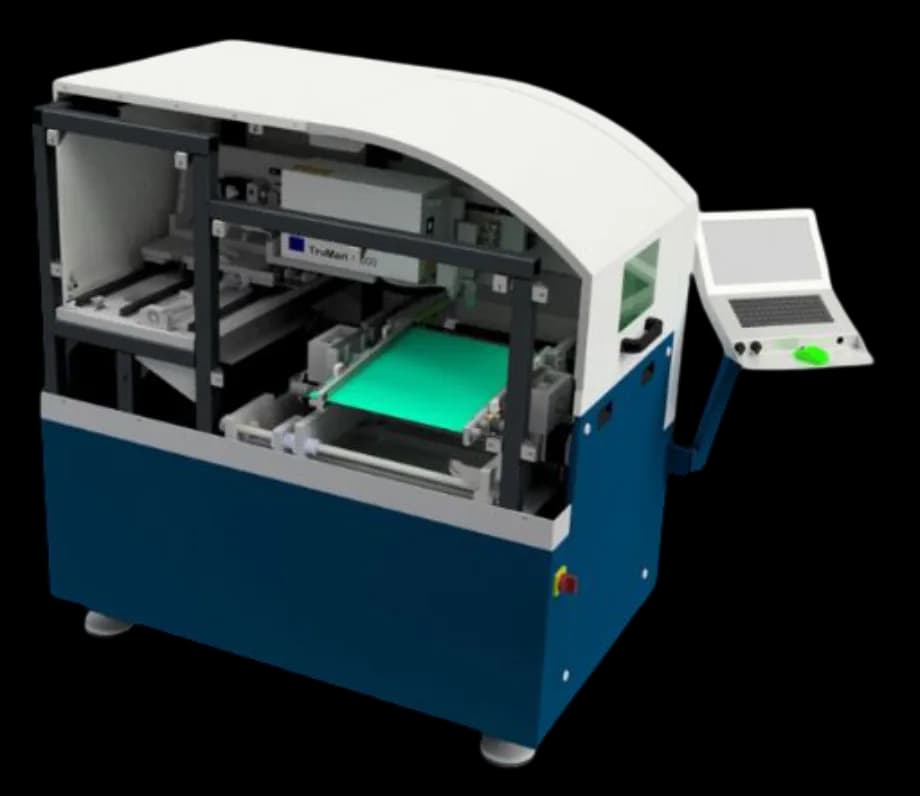
CX2 PCB Mark
CX2 is an inline PCB marking machine with a short cycle time that marks both sides of the board and applies datamatrix codes as small as 2x2 mm.
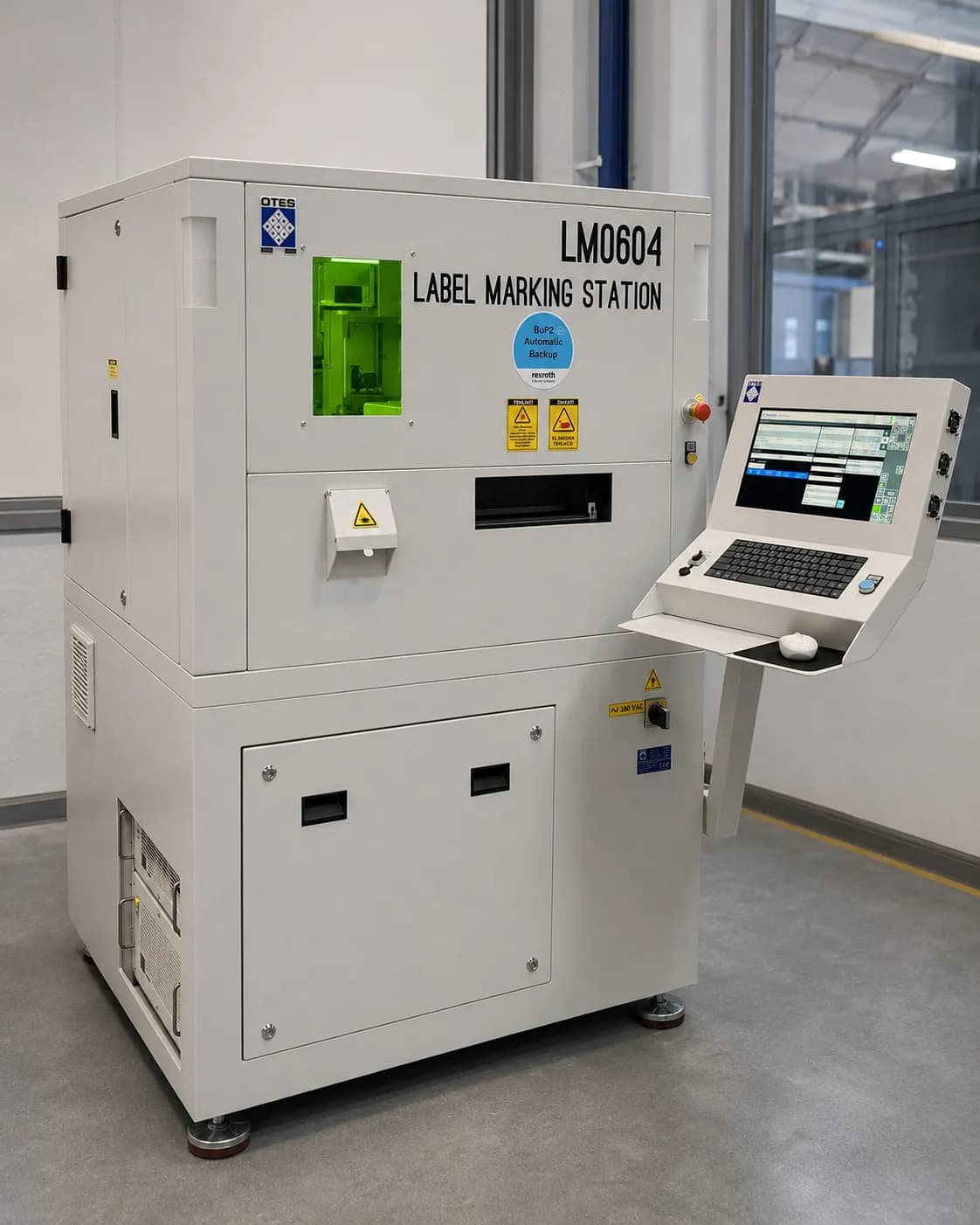
LM Series Laser Label Marking Station
Laser label marking stations LM0504 and LM0604: Bosch Rexroth BuP2 line integration, touch HMI and a CE-marked laser-safe enclosure.
Last updated:
Request a Quote
Pricing, lead time and integration details for Laser Systems