OTES Elektronik

Robotics

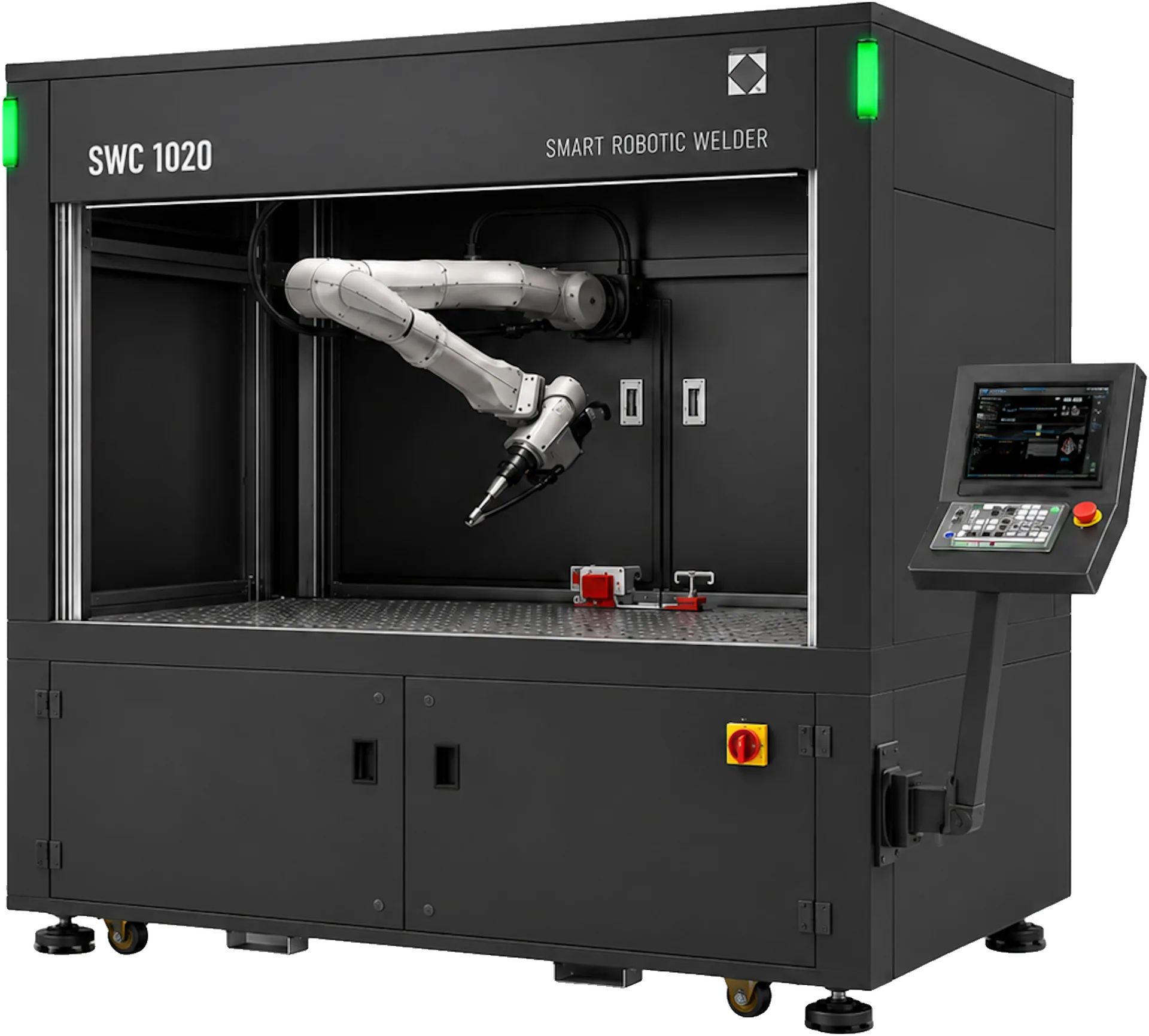
Robotics – SWC 1020Robotics

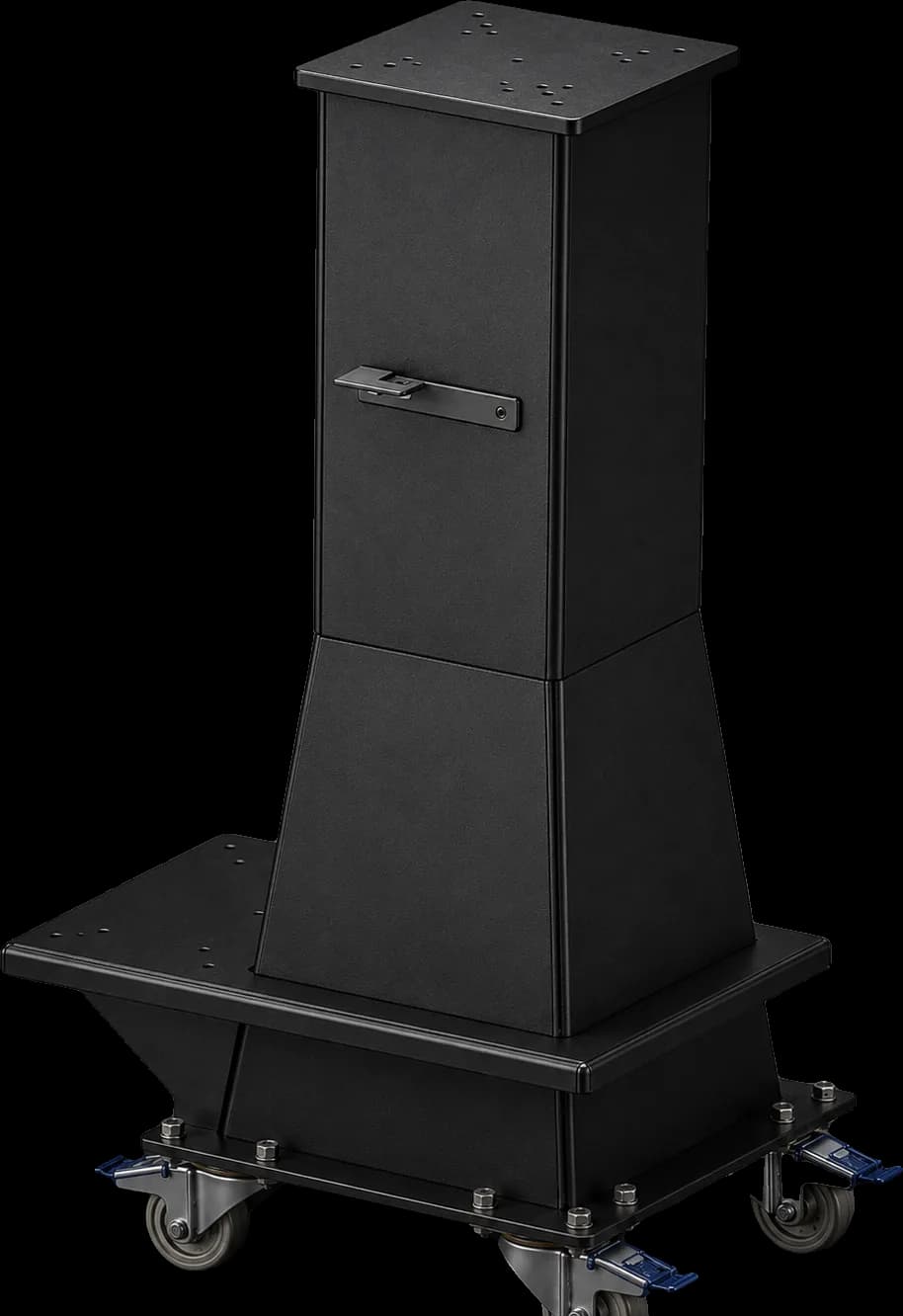
OTES Robotics covers robotic welding cells and the equipment built around them. The range starts with the Autonomous Welding Cell, an unmanned cell that recognises the part placed in it and plans the welding path automatically, so the operator loads a fixture instead of teaching a program. Autonomous Robotic Welding extends the same idea with self programming and AI assisted seam tracking, which corrects the torch path when the actual joint differs from the nominal geometry because of fit up or thermal distortion. Alongside the fully robotic systems, Cobot Laser Welding and Cobot MIG/MAG Welding place a cobot next to the operator for smaller batches and frequent product changes. Robotic Laser Welding and Robotic MIG/MAG Welding cover conventional industrial robot cells, and the Accessories group completes the category with complementary equipment such as robot base units.

Welding automation is usually driven by three problems. The first is finding and keeping qualified welders, which makes output depend on the availability of individual people. The second is consistency, because weld quality and penetration vary between operators and across a long shift, and rework becomes expensive once the assembly is complete. The third is programming time. On a classic robotic welding cell, teaching a program for a new part can take longer than welding the batch itself, which rules out automation for small and medium runs. Autonomous welding and seam tracking attack that third problem directly by shortening or removing the teaching step. Cobot welding attacks it from the other side by keeping the setup simple and the footprint small, so a cell can be moved and repurposed inside the workshop as the product mix changes.

OTES approaches a welding cell as an integration project rather than a machine purchase. Working since 1997 from Ümraniye, Istanbul as a distributor and system integrator, OTES reviews the parts and joint types with the customer, defines the cell layout, the fixturing and the safety concept, supplies the robot, the welding equipment and the accessories, and carries out installation and commissioning on site with welding parameter development on real parts. Operator and maintenance training covers running the cell, loading and changing fixtures and reacting to the faults that occur most often, and technical service and spare part supply continue across Türkiye afterwards. The category is aimed at production engineers and welding supervisors who need repeatable weld quality within a defined cycle, and at plant managers weighing an automated cell against additional manual welding capacity.

Products
Can a robotic welding cell handle small batches and frequent product changes?

Yes, and this is where autonomous and cobot welding differ from classic robot cells. On a conventional cell, teaching a program for each new part makes small batches uneconomic. The Autonomous Welding Cell recognises the part placed in it and plans the welding path automatically, and Autonomous Robotic Welding adds self programming with AI assisted seam tracking, so setup time per part drops instead of scaling with the number of variants. Cobot Laser Welding and Cobot MIG/MAG Welding take the other route, keeping the cell small and quick to set up next to the operator. OTES reviews the actual part family and batch sizes before recommending which of the two approaches fits.

What is the difference between cobot welding and a robotic welding cell?

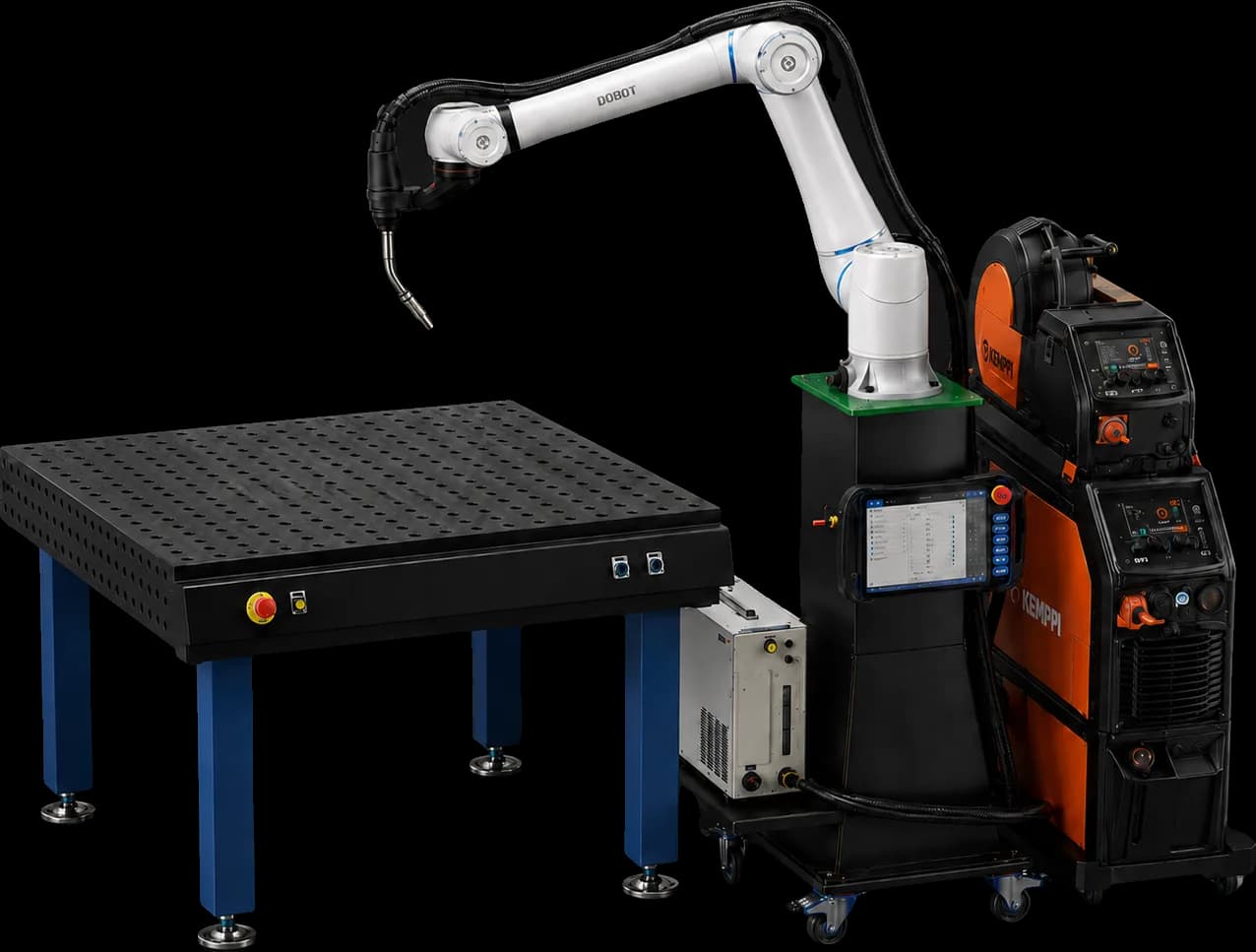
A cobot cell places a collaborative robot next to the operator, with a compact footprint and a setup that can be changed quickly, which suits small batches, prototypes and workshops where the product mix changes often. A conventional robotic welding cell uses an industrial robot inside a guarded enclosure and is built for higher output and longer runs on a defined part family, usually with dedicated fixturing. OTES supplies both in laser and MIG/MAG variants: Cobot Laser Welding and Cobot MIG/MAG Welding on one side, Robotic Laser Welding and Robotic MIG/MAG Welding on the other. The choice follows from part size, joint types, required output and available floor space rather than from the robot itself.

What is included in commissioning and operator training for a welding cell?

Commissioning a welding cell goes well beyond installing the robot. OTES installs the cell, sets up the fixturing and the safety concept, and develops welding parameters on the customer's real parts rather than on samples, because fit up, material thickness and joint access decide which settings actually work. Training covers running the cell, loading and changing fixtures, adjusting programs within defined limits, reading alarms and reacting to the faults that occur most often, and the routine maintenance that keeps torch and consumable wear predictable. Training is given to operators and to maintenance staff, and technical service and spare part supply continue across Türkiye after handover.

How are safety and CE requirements handled for a welding cell?

Safety is defined as part of the cell design rather than added afterwards. For a conventional robotic welding cell that means guarding, interlocks, the loading concept and the arrangement of the safety circuit around the actual layout, so that access for loading and maintenance is possible without defeating protection. Cobot Laser Welding and Cobot MIG/MAG Welding are built around a collaborative robot, but the welding process itself brings arc radiation, laser radiation and fume, so protection is specified for the process and not only for the robot. OTES defines the safety concept together with the customer during cell design and applies it through installation, commissioning and operator training.

Last updated:

Request a Quote

Pricing, lead time and integration details for Robotics