OTES Elektronik

Electronic Production
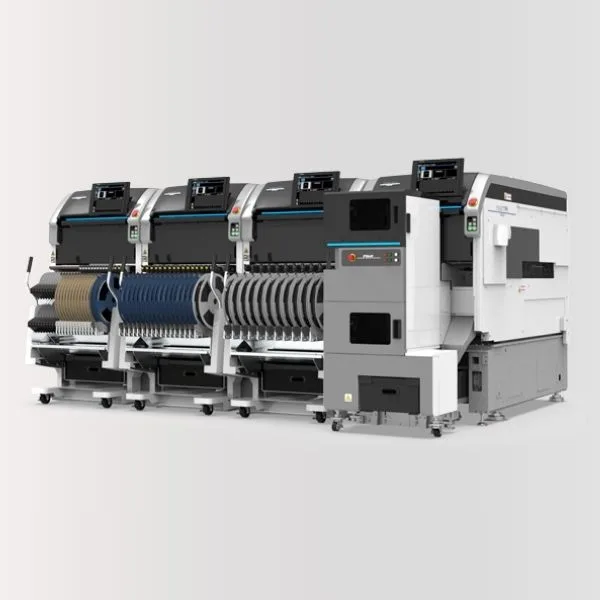
Electronic Production – NXTR S modelElectronic Production

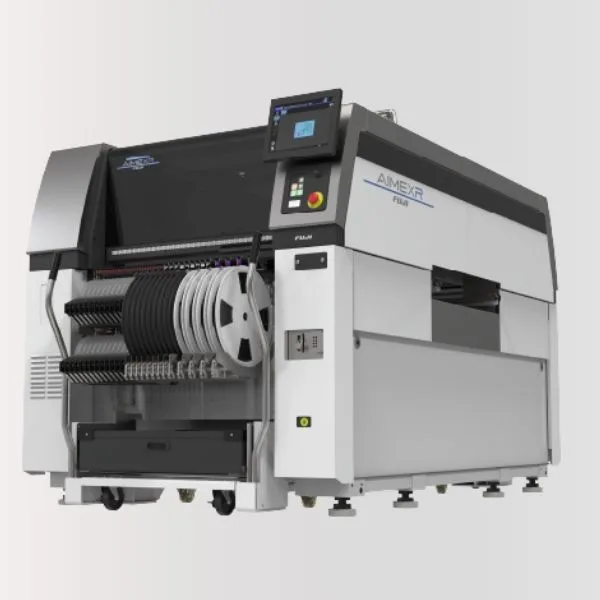
OTES Electronic Production covers the equipment that turns a bare printed circuit board into a finished, tested assembly, from solder paste printing through component placement, inspection, soldering and board handling. Fuji SMT sits at the centre of the category. The pick and place range includes the AIMEXR, the NXTR S and the NXTR A, supported by the NXTR PM and GPX Series printers and by the NXT Series and AIMEX Series heads that determine what each machine can pick and at what rate. Around the placement machines OTES supplies the Fuji labour saving units: the Auto Feeder Maintenance Unit, the Smart Nozzle Cleaner, the Auto Head Cleaner and Auto Head Cleaner R, the Auto Splicing Unit and the Auto Loading Feeder, with Nexim as the software layer that plans and monitors the line. THT assembly is covered by the SmartWing BA, sFAB-D and sFAB-SH inserters.

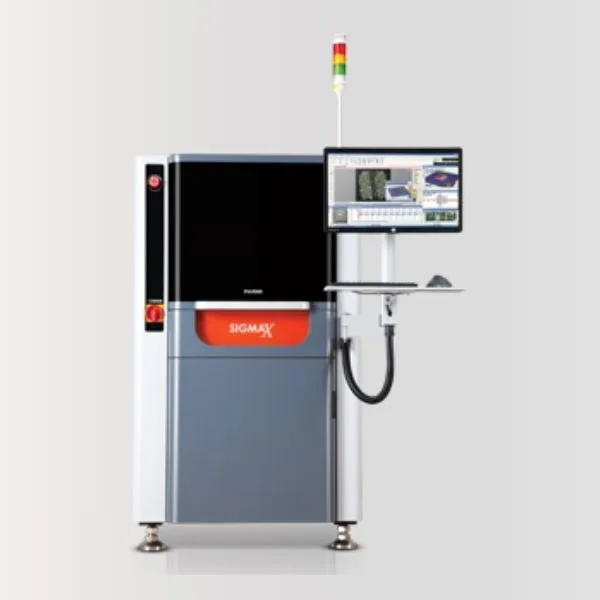
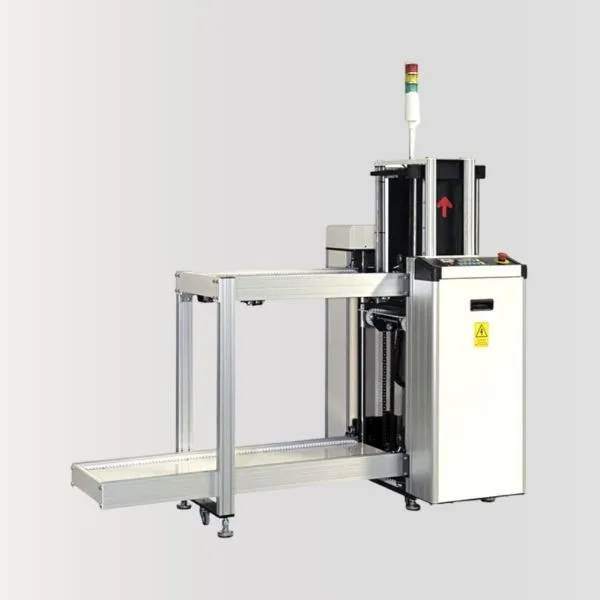
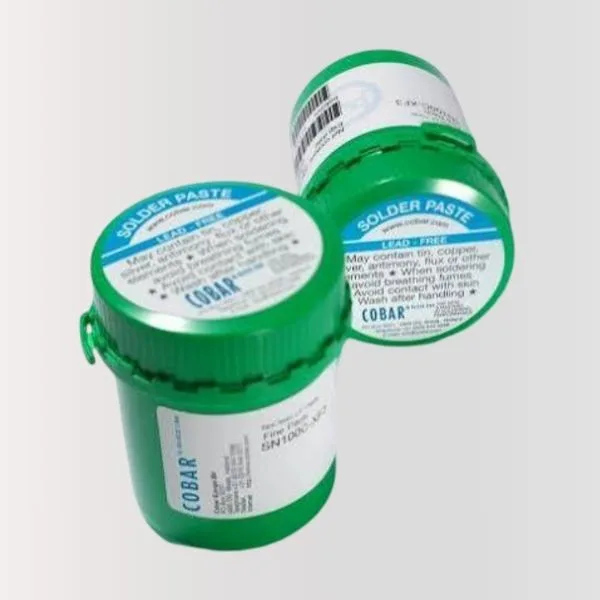
Inspection, soldering and material selection complete the line. PARMI Optic Inspection supplies 3D SPI and AOI systems including SigmaX, Xceed and Xceed MP, which measure printed solder paste before placement and check joints, polarity and component presence after reflow, so a printing fault is caught at the printer instead of at electrical test. Balver Zinn lead free solder pastes, in the JEAN-151, F3+, OT2 and SP grades, feed the same process from the material side. For soldering, the CFO Series lead free hot air convection oven handles surface mount assemblies, the AKP Series wave soldering machine covers higher volume THT work, and JNS integrated selective soldering deals with mixed boards where only defined joints may be heated. Board handling ties the stages together with loaders and unloaders, buffers, around seventeen conveyor types, a dust cleaner, a barcode scanning conveyor and NG handling.

An SMT line is not a collection of separate machines, and OTES treats it accordingly. Working as a distributor and system integrator since 1997 from Ümraniye, Istanbul, OTES helps production teams size the line against their own board mix and volume, plans the layout together with conveyor and buffer positions, installs and commissions the equipment, builds up feeder and program data, and trains operators, programmers and maintenance staff on the machines they will run every shift. Technical service and spare part supply continue across Türkiye after handover, including for lines installed years earlier. The category is written for production engineers deciding which placement machine, printer and inspection combination fits a given board, and for plant managers comparing the cost of an additional shift against the throughput of a properly balanced line.

Products
Which Fuji placement machine suits our production volume?

The answer depends on board mix rather than on volume alone, so OTES starts from the boards themselves: component count per board, component types and package sizes, batch size and how often the line changes over. The AIMEXR, NXTR S and NXTR A cover different points on that range, and the NXT Series and AIMEX Series heads change what a given machine can pick and at what rate, so the head configuration is part of the decision. A high mix line with frequent changeovers is usually limited by setup rather than by placement rate, which points towards feeder and changeover tooling such as the Auto Loading Feeder. OTES runs this sizing exercise with the production team before any configuration is quoted.

How long does installation and commissioning of an SMT line take?

OTES does not quote a fixed duration, because the schedule depends on the scope: a single placement machine added to a running line, a complete line from printer to unloader, or a relocation of existing equipment. What is planned in advance is the sequence. Site preparation covers floor layout, power, compressed air and extraction. Installation places and levels the machines and sets conveyor heights across the whole line. Commissioning covers machine calibration, first article programs, feeder data, SPI and AOI inspection program setup, and reflow profiling on real boards. Operator and programmer training runs alongside commissioning so the team is productive at handover. OTES gives a project specific timeline after the site survey.

Do you supply solder paste and consumables as well as machines?

Yes. OTES supplies Balver Zinn lead free solder pastes in the JEAN-151, F3+, OT2 and SP grades alongside the equipment. This matters because paste behaviour, stencil design, printer settings and reflow profile form one system rather than four separate choices, and selecting a paste in isolation from the printing and reflow process is a common cause of printing defects and voiding. When OTES commissions a line, the paste in use is part of the parameter set that gets validated on real boards through SPI measurement and inspection after reflow. Consumable and spare part supply continues after handover, together with technical service across Türkiye for the installed equipment.

Can SPI and AOI be added to a line that is already running?

Yes, and it is a common retrofit. PARMI 3D SPI and AOI systems, including SigmaX, Xceed and Xceed MP, can be inserted into an existing line provided there is floor space and the conveyor heights and transfer signals match. SPI goes directly after the printer, where it measures printed paste volume, area and height and stops a printing problem before components are placed. AOI is normally placed after reflow to check joints, polarity and component presence. OTES surveys the line, confirms the mechanical and electrical interface, supplies any board handling needed to make space, installs and commissions the system, and trains the team on programming and on interpreting results.

Last updated:

Request a Quote

Pricing, lead time and integration details for Electronic Production